Autism Mama Embroidery Design Review for Craft Fairs
First Impressions: A Heartfelt Statement with a Unique Vibe
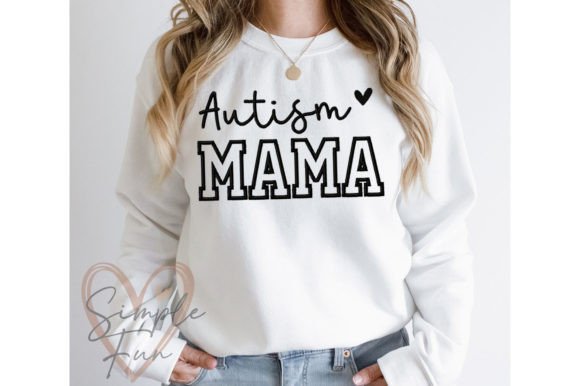
When I first read the title and description of Autism Mama, I immediately felt its emotional weight. This machine embroidery design is clearly intended to resonate deeply, not just as an Awareness piece but also as a meaningful craft fair product. The phrase “Autism Mama” carries both pride and purpose, and the design promises to deliver that message across a variety of items—from sweaters and shirts to hoodies and more.Where Autism Mama Shines on Craft Fair Products
- Tote Bags: Tote bags are one of the most popular craft fair products, and Autism Mama would look especially striking on them. The design has enough visual presence to become a focal point without overwhelming the fabric.
- Apron Embroidery: As a statement on aprons, it adds a personal touch that speaks volumes. Moms love unique apron designs, and this one tells a story right from the start.
- Tea Towels: Tea towels offer a great canvas for tea towel embroidery. However, keep in mind that textured fabrics might affect stitch clarity. Always test the design on actual fabric before batch production.
- Embroidered Patches: If you’re considering selling embroidered patches, this design can work well—especially if the letters are large enough to maintain legibility after trimming away excess fabric.
- Pillow Covers: Pillow covers are perfect for showcasing stitch density and color depth. Autism Mama’s likely balanced composition makes it ideal for center placement, enhancing the handmade quality of your pillow collection.
- Market Bags and Caps: These are compact canvases. On caps, curved surfaces may require some adjustment to the design layout. Market bags can handle larger versions of the design effectively, making them great for booth samples.
- Fabric Pouches and Handmade Gifts: Smaller pouches will need careful consideration of hoop size and design scaling. But the charm of this design makes it a strong candidate for personalized gifts like baby blankets or memory boxes.
Design Practicality for Production and Sales
At-a-Glance Appeal: One of the biggest factors in successful craft fair sales is how quickly customers can recognize a product. Autism Mama offers a clear, readable message that doesn’t require squinting or leaning in. Its clean lines and thoughtful lettering help it stand out even from a distance.
Small vs. Large Use: While this design works well as a large focal point (especially on tote bags or sweatshirts), it might lose its punch when scaled down too much. Tiny details or small lettering could become illegible, so always review spacing and sizing on different products before committing to commercial embroidery runs.
Photography for Online Listings: When creating printable mockups or Etsy listings, the design photographs beautifully. The contrast of thread colors against lighter backgrounds really helps it pop, making it easy to market as a high-quality, Awareness-focused design.
Repeatable for Batch Production: The structure of this machine embroidery design seems consistent and repeatable. That means once you nail the positioning and stabilizer setup, you can confidently produce multiple units without worrying about misalignment or distortion.
Important Careful-Use Notes for Sellers
- Dense Stitch Areas: Look for any dense sections in the design. These areas may require extra stabilizer to prevent puckering, especially if you're using thin or stretchy fabrics.
- Tiny Details: If the design includes intricate elements or small text, confirm they remain visible and legible when printed or stitched onto your chosen fabric texture.
- Thick Fabric Considerations: Hoop size matters. Thicker materials like denim or canvas might need a larger hoop to avoid tension issues. Always test on scrap fabric before finalizing your production plan.
- Textured Towels or Aprons: Textured fabrics can dull the sharpness of the design. If you’re planning tea towel embroidery or apron embroidery, choose smooth cotton blends for the best results.
- Dark Fabric Contrast: Thread colors might not show up as vibrantly on darker bases. Test the design on a few different fabric colors to ensure the message remains clear and visually appealing.
- Curved Surfaces: If using this design on caps or curved tote bag handles, adjust the design accordingly. Curved cap surfaces can cause distortion if not properly formatted for the shape.
- Size Sensitivity: Designs that include words like “Mama” might become less effective at smaller sizes. Always check how the design looks when reduced to fit smaller items like pouches or embroidered patch placements.
How Autism Mama Boosts Your Booth Display
- Customer Attention: Emotional and social messages often draw more engagement. This design has the potential to spark conversations at your craft fair booth, increasing dwell time and interest in your other products.
- Product Value: Because of its heartfelt theme and premium look, this design can justify higher pricing than generic embroidery options. It adds value by connecting buyers with something meaningful.
- Handmade Quality: The detail and craftsmanship of this machine embroidery design reflect well on your brand. Whether you use it on tote bags or pillow covers, it enhances the perceived handmade quality of your line.
- Brand Consistency: If your business focuses on Awareness-themed or family-oriented products, Autism Mama aligns perfectly. It helps maintain a cohesive visual identity across your range of digital embroidery files and finished products.
- Booth Display Strength: Use Autism Mama as a featured item in your booth—maybe a large tote bag or a framed pillow cover. It becomes a conversation starter and a visual anchor for your display.
- Buyer Engagement: People connect with stories. By offering this design on various items, you create opportunities for storytelling, which builds trust and encourages purchases.
Designer Tips for Using Autism Mama Effectively
- Test on Scrap Fabric: Before stitching anything for sale, run a test piece. Check how the design interacts with your fabric type and thread choice.
- Check Thread Colors: Make sure the colors included in the embroidery file match your brand aesthetic. Adjustments may be needed depending on your target audience and fabric palette.
- Review Spacing and Layout: Ensure the design is centered correctly and doesn’t bleed off the edges of the product. Misaligned designs can appear rushed or unprofessional.
- Confirm Hoop Size: If the product description doesn’t specify hoop size, double-check the design assets to avoid resizing errors during production.
- Inspect Stitch Density: Pay attention to stitch density in different parts of the design. Some areas may need backing or tear-away stabilizer to hold their shape and quality.
- Use the Right Stabilizer: Especially for delicate fabrics, using the correct stabilizer ensures the design stays crisp and clean after removal.
- Create Real Mockups: Don’t rely solely on printable mockups. Build at least one real sample to evaluate the overall look and feel of the finished product.
- Compare Fabric Colors: Different base colors can drastically change the appearance of your design. Always stitch on a few fabric swatches to find the best match.
- Confirm Commercial Licensing: Since you’ll be selling finished products, ensure you have the proper commercial embroidery license. Many digital sellers offer limited-use licenses unless specified otherwise.