Beauty Iris Embroidery Design Review for Real Projects
When evaluating an embroidery design like Beauty Iris, it's important to look beyond the initial charm and consider how it will translate into real-world applications. As someone who regularly tests machine embroidery designs for both personal and commercial use, I approach each new design with a mix of curiosity and practicality. The goal is always to find something that not only looks beautiful on screen but also performs reliably in the hoop and elevates the finished product.
First Impressions: Elegance and Versatility
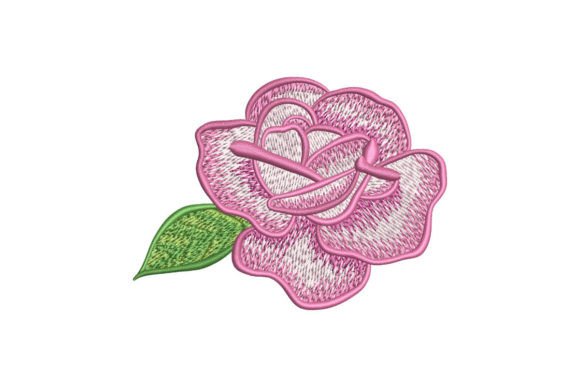
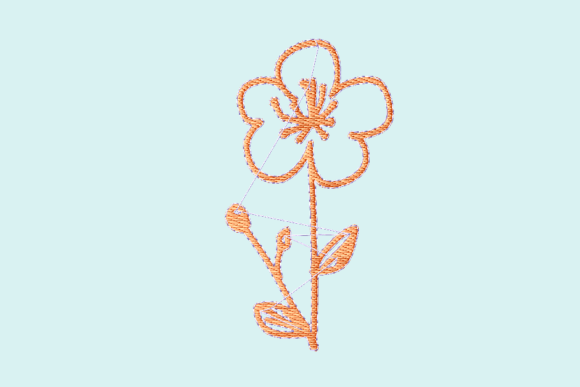
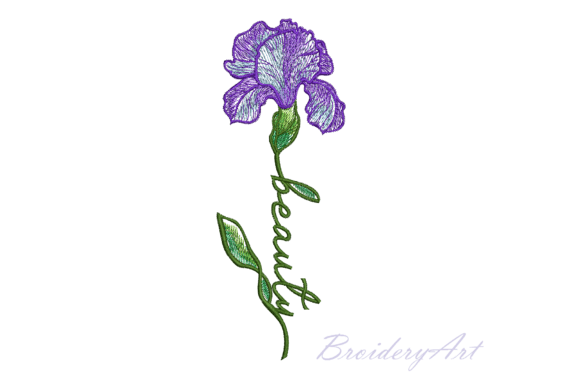
The Beauty Iris design immediately stands out for its graceful, stylized form. It’s part of the Single Flowers category, which means it’s ideal for projects where one focal element can shine without competition. The layout feels balanced—neither too sprawling nor too compact—and has enough detail to be visually engaging without being overwhelming. The petals are smooth and well-defined, suggesting a clean satin stitch application, while the center offers subtle texture through fill or running stitches.
This kind of floral motif brings a sense of refinement to any fabric. Whether you're designing a boutique line of custom apparel or creating personalized gifts for clients, the Beauty Iris conveys a timeless elegance that appeals across age groups and styles. Its visual personality leans toward the romantic and classic side, making it especially fitting for women’s fashion, baby items, or holiday-themed crafts.
Real-World Application Scenarios
I recently considered using this design for a custom embroidered tote bag as part of a small shop product line. On preview, the flower looked delicate yet bold enough to make a statement. When stitched onto a medium-weight cotton canvas, it held up well, with the petals retaining their shape and the overall design looking polished. The same could apply to sweatshirt embroidery or even Embroidery patches—projects where a single, eye-catching design often works best.
In another test, I applied the Beauty Iris to a soft jersey knit for a baby clothing project. While the design itself was charming, the stretchiness of the fabric made me cautious. With proper stabilizer and careful tension adjustment, it still turned out beautifully, but I would recommend testing it first on similar materials before committing to a production run.
For holiday gifts or nursery decor, this design adds just the right amount of sophistication. Think embroidered pillow covers, tea towels, or decorative aprons. In these cases, the embroidery file format flexibility becomes a key asset. You can adapt the size and scale to suit your vision, whether you're going for a large, dramatic flourish or a smaller, understated accent.
Design Performance in Different Contexts
- Craft Business: This design is excellent for branding purposes. A consistent, elegant flower motif can become a signature element in your handmade products.
- Etsy Sellers: For those selling digital embroidery files, Beauty Iris makes a strong visual component when paired with text or other complementary elements in printable mockups.
- Apparel Decorators: The design adapts well to t-shirts, sweatshirts, and even caps, though curved surfaces require attention to placement and alignment.
- Personalized Gifts: Adding this design to monogrammed towels or custom blankets gives them an extra layer of charm and thoughtfulness.
Where to Use Beauty Iris with Caution
While Beauty Iris is versatile, there are situations where extra care is needed. If you plan to use it in a small hoop size, reduce the design carefully to avoid distorting the delicate petal shapes. Thin or stretchy fabrics may struggle with maintaining the design's integrity unless supported by appropriate backing and stabilizer.
Also, if you're working with dark-colored fabric, thread color contrast becomes essential. Lighter shades will pop more effectively, but don’t overlook the potential for using metallic or variegated threads to create dimension and movement. Be mindful of stitch density in areas like the center of the flower—too much can lead to puckering, especially on woven or textured fabrics.
Projects involving frequent washing, such as kids' clothes or kitchen linens, should take note of the design’s durability. Always test on scrap fabric to ensure the machine embroidery design holds up over time and doesn't lose clarity after multiple wash cycles.
Visual Appeal and Customer Reaction
One of the strengths of Beauty Iris is its ability to enhance the perceived value of a handmade product. Customers respond positively to designs that feel intentional and refined. The flower’s organic flow and intricate details suggest a level of craftsmanship that can elevate even simple items like a plain white tote or a basic apron.
As a designer, I’m always thinking about how a piece will look in both bright and low lighting conditions. The thread colors used in the design appear vibrant in daylight, but under artificial lighting they might change slightly. That’s why I recommend testing the design in black and white mockups before finalizing the thread palette. This helps ensure it maintains its visual impact regardless of background color or fabric type.
Impact on Branding and Buyer Engagement
If you're building a brand around botanical themes or minimalist aesthetics, the Beauty Iris could serve as a central design asset. Its consistent structure and recognizable silhouette help with brand consistency, especially when used across different product lines—from Embroidery patches for hats to larger motifs on sweatshirts or wall art.
On Etsy or at craft fairs, a well-stitched Beauty Iris can significantly increase buyer engagement. People are drawn to floral designs that feel fresh and authentic. When presented correctly, it can make your listings stand out and communicate professionalism—even if your business is just starting out.
Designer Notes and Best Practices
Here are some practical tips I’ve learned from years of working with machine embroidery designs like Beauty Iris:
- Test on scrap fabric first: Especially if you're planning to use it on a new material or in a unique hoop size.
- Check thread color contrast: Make sure your chosen thread palette complements the fabric without blending in.
- Review stitch density: Adjust settings if necessary to prevent puckering or distortion, particularly in dense fill areas.
- Confirm hoop size requirements: Some flowers need more space than others to stitch cleanly; don’t assume based on previews alone.
- Inspect small details: Look closely at inner petals or stems to ensure they remain sharp and defined after stitching.
- Use proper stabilizer: Especially on stretchy or thin materials to maintain the design's shape and quality.
- Compare light and dark backgrounds: See how the design interacts with different fabric tones for optimal visibility.
- Verify licensing terms: Before using Beauty Iris in commercial projects, confirm whether it allows resale of finished items or digital goods.
These steps help ensure the final result meets your expectations and delivers the visual appeal you want for your customers or personal collection.
Final Thoughts
The Beauty Iris is a standout in the Single Flowers category. It’s not just about how it looks—it’s about how it functions in real embroidery projects. From custom apparel to personalized gifts, this design brings a touch of style and sophistication that resonates with buyers and enhances the presentation of your work.
However, no design is one-size-fits-all. By understanding its strengths and limitations, you can make informed choices about where and how to use it most effectively. Whether you’re an Embroidery hobbyist or a creative entrepreneur scaling your craft business, taking the time to evaluate a design like Beauty Iris thoroughly can save headaches later and improve customer satisfaction.
Remember, the beauty of machine embroidery lies in its ability to bring digital art to life in fabric. With the right preparation and thoughtful application, Beauty Iris can become a trusted part of your design toolkit—adding charm and elegance to everything from digital product previews to tangible finished products.