Korean Finger Heart Embroidery Design Review
As an experienced embroidery designer and product reviewer, I recently had the opportunity to test out the Korean Finger Heart machine embroidery design. This is one of those designs that immediately caught my eye for its charm and versatility. While it’s marketed around Valentine's Day, I see it fitting into a much broader range of projects. Let me walk you through how this design performed in real-world applications and what considerations are important before using it in your own work.
A Whimsical Yet Practical First Impression
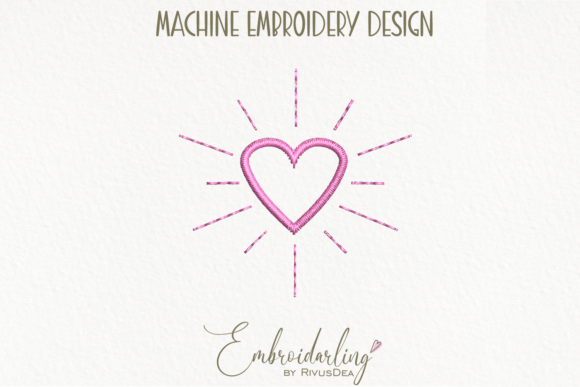
The Korean Finger Heart brings a playful and affectionate mood to any piece. Its shape mimics the classic “hand heart” gesture—fingers pinched together to form a heart—but with a subtle cultural twist that adds visual interest. The layout is balanced and compact, making it suitable for smaller spaces without feeling cramped or overwhelming.
What stands out most is the level of detail. It uses a combination of satin stitch and delicate fill stitch areas to create dimension and softness. There are no tiny lettering elements, which is a relief for many crafters who dread stitching intricate text on stretchy or textured fabrics. Instead, the design relies on its clean lines and gentle curves to convey sentiment and style.
Visually, it feels like something you’d find on a boutique pillow cover or a personalized sweatshirt. It has that handmade warmth but with the precision of digital embroidery. It’s not too bold, not too shy—it’s just right for adding a touch of whimsy where needed.
Real-World Performance: Where Does Korean Finger Heart Shine?
I tested the Korean Finger Heart on several common project types and was impressed by its adaptability. Here are a few standout applications:
- Towel Embellishment: Stitched onto a tea towel, the design added a lovely decorative element. The satin stitches held up well despite the fabric’s texture, though I did use some cutaway stabilizer underneath to prevent puckering.
- Sweatshirt Embroidery: On a cotton/spandex blend sweatshirt, the heart looked vibrant and professional. The stitch density was appropriate, so there was minimal distortion from the fabric’s stretch.
- Baby Items: When placed on a onesie as part of a baby shower gift, the design felt sweet and safe—perfect for a young audience. No sharp edges or complex details meant it was easy to read and even easier to stitch cleanly.
- Pillow Covers: The heart made a great center motif on a linen pillow cover. It worked especially well when paired with other simple shapes like stars or small floral accents, creating a cohesive and charming look.
For custom apparel, this design can be used as a standalone feature or layered with other motifs. It also works nicely as an embroidered patch for denim jackets or canvas bags. As a Valentine’s Day theme, it’s understated yet meaningful, ideal for personalized gifts and holiday items.
Where Caution Is Advised
While the Korean Finger Heart is versatile, there are certain situations where extra attention is needed:
- Small Hoop Sizes: If you’re working within tight space constraints, such as on a cap or hat, consider scaling down carefully. The design may lose clarity if reduced too much, especially if the original file doesn’t support high compression.
- Textured Fabrics: Although the design handled linen reasonably well, it didn’t perform as smoothly on flannel or quilting cotton. Textured surfaces can make the fill stitch appear uneven unless proper stabilizers are used.
- Thin or Stretchy Materials: Avoid using this on sheer or very stretchy fabrics unless you reinforce them. The satin stitches can cause pulling or distortion if the fabric isn’t stable enough.
- Dark Backgrounds: Thread color contrast matters. On darker fabrics, ensure your thread colors stand out enough to maintain visibility. Light pastels might fade against black or navy, reducing the impact of the design.
- Frequent Wash Products: For items like aprons or dishcloths, be mindful of the stitch density. Overly dense embroidery can lead to stiffness or pilling over time, especially if not washed gently.
Also, keep in mind that curved surfaces like caps or curved sections of garments (e.g., the front of a hoodie) may require adjustments to hoop size or positioning. Always do a trial run on similar materials before finalizing your production setup.
Design Impact on Product Value and Customer Perception
One of the biggest strengths of the Korean Finger Heart is its ability to elevate the perceived value of a product. Whether it’s a handmade product for an Etsy listing or a small shop product for a local boutique, this design adds a personal touch that customers notice and appreciate.
It enhances customer trust because the quality of the stitch paths suggests professionalism. That’s crucial for craft business owners looking to build brand consistency and credibility. When stitched correctly, the design contributes to a polished, thoughtful presentation that makes the finished product more giftable.
From a branding perspective, the Korean Finger Heart can serve as a signature motif for digital embroidery files sold on platforms like Etsy or Creative Market. Its unique aesthetic helps with product recognition, making it easier for buyers to identify your offerings among competitors.
Visual Appeal vs. Stitching Clarity
There’s a nice balance between visual appeal and stitching clarity. The design avoids overly fussy elements, which means it translates well across different machines and settings. However, I recommend testing the design on scrap fabric first to check how the stitch density interacts with your specific material and machine.
If you're planning to use this in commercial embroidery projects, be sure to review whether the design maintains its integrity at scale. Also, always confirm the licensing terms if you intend to sell finished products or include it in design assets for resale.
Designer Notes and Best Practices
Here are some practical tips based on my experience with the Korean Finger Heart design:
- Test on Scrap Fabric: Before committing to a full batch of tote bag designs or holiday gifts, stitch a sample to see how the design behaves with your chosen fabric and thread.
- Check Thread Color Contrast: Use a light-colored thread on dark backgrounds and vice versa for better visibility and visual harmony.
- Review Stitch Density: Especially if you're using it on thicker or layered materials, adjust the stitch density to avoid bunching or gaps.
- Confirm Hoop Size: Make sure your hoop accommodates the entire design comfortably. Cropped or stretched versions may affect the overall look.
- Inspect Small Details: Though the design lacks tiny lettering, it does have subtle curves and intersections that benefit from close inspection after stitching.
- Use Proper Stabilizer: Depending on your fabric type, a tear-away or cutaway stabilizer can make a big difference in maintaining smooth embroidery.
- Black and White Mockups: Test the design in grayscale to evaluate its structure and how it will translate with different thread color choices.
- Compare Light and Dark Backgrounds: Try stitching the design on both white and black fabric to see how it adapts and what thread combinations enhance its appearance.
- Check Licensing Before Selling: If you plan to sell finished products or digital embroidery files, verify that the design allows commercial use and that you understand the terms of redistribution.
Final Thoughts
In short, the Korean Finger Heart is a solid choice for anyone looking to add a soft, expressive touch to their embroidery projects. It’s not flashy or complicated, but that’s exactly why it works so well across a variety of applications—from nursery decor to blanket embroidery, and even apparel decorators wanting to offer romantic-themed custom pieces.
Its simplicity ensures it won’t overwhelm the viewer, while its charm makes it memorable. For creative entrepreneurs and digital product sellers, it could become a go-to asset for seasonal collections or themed bundles. Just remember to account for fabric type, hoop size, and thread selection to get the best results.
Whether you’re preparing for a Valentine’s Day sale or simply want to bring more personality to your handmade shop, the Korean Finger Heart is worth considering—as long as you take the time to test and tailor it to your needs.