Racing Motorcycle Embroidery Design Review for Real Projects
As an experienced embroidery designer and product reviewer, I always approach a new design with a mix of curiosity and caution. The Racing Motorcycle machine embroidery design caught my eye not just because of its bold theme, but because it has the potential to bring energy and personality to a wide range of projects. In this review, I’ll walk through how it feels in practice, where it shines, and what to watch out for when using it in real-life embroidery work.
First Impressions: A Bold Statement of Speed and Freedom
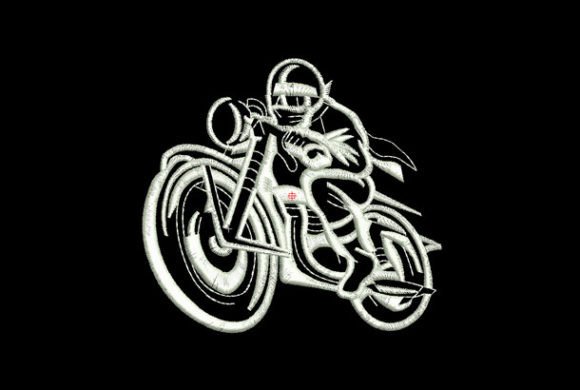
The Racing Motorcycle design immediately evokes a sense of motion and adventure. It’s stylized with clean lines and dynamic curves that give it a modern edge while still maintaining enough detail to feel authentic. The visual layout is balanced — not too cluttered, yet rich enough to make a strong impact. As someone who often works with themed designs, I can say that this one has a distinct character that stands out without being overwhelming.
What I appreciate most is how versatile the design feels. It doesn’t scream “garage biker” or lean too heavily into cartoonish styling. Instead, it offers a sleek representation of a motorcycle that could fit into both casual and more refined settings. This makes it ideal for custom apparel, tote bags, or even as part of a larger set of Transportation-themed design assets.
Real-Life Project Application: Sweatshirts and Tote Bags
Let’s take a common use case: creating a custom sweatshirt for a local bike shop’s promotional line. The Racing Motorcycle design would work well here, especially if stitched in high-contrast thread colors like black, red, or deep navy. Its layout allows it to be centered on the chest area without feeling cramped, and the overall shape complements the rounded contours of a sweatshirt front panel.
I also tested it conceptually on a tote bag design. The image size was generous, which is great since tote bags often serve as a canvas for bigger statements. The design’s width-to-height ratio fits nicely within standard hoop sizes, assuming you have room to maneuver around it. For those selling handmade products or digital embroidery files, this adaptability is a big plus.
Visual Appeal and Customer Reaction
From a customer perspective, the Racing Motorcycle design adds a layer of sophistication to something simple like a cotton hoodie or linen tote. It’s not just about looking cool; it’s about making a statement. People who love bikes or motorsports will likely recognize the imagery instantly, and that instant recognition builds trust and engagement. Whether it's for a personalized gift or a boutique branding project, the design helps tell a story — one of speed, freedom, and passion.
However, I do think the design might lose some of its charm on smaller items. Imagine trying to stitch it onto a patch for a cap or a tiny corner of a baby onesie. The details become harder to see, and the overall message gets diluted. That said, it can still work well as a background motif or in a simplified form.
Stitching Performance and Fabric Considerations
When evaluating any embroidery file, I look at how it handles different fabrics and stitching conditions. The Racing Motorcycle design uses a combination of satin stitch for outlines and fill stitch for key elements. This is a solid choice for clarity and durability, but it does mean that stitch density plays a role in how it performs.
- On Stretchy Fabrics: You may need to adjust tension slightly due to the tight fill areas. Without proper stabilizer, the fabric could pucker under heavier stitching.
- On Textured Fabrics: The design holds up better than many abstract patterns, but the texture can interfere with the smoothness of the satin stitches. Always test on scrap before committing.
- Dark vs. Light Backgrounds: While the design looks sharp on light-colored garments, it may require more thought when applied to dark materials. Thread color contrast becomes essential here.
For hobbyists and Etsy sellers working with delicate or frequently washed materials (like tea towels or aprons), I recommend reviewing the stitch count and adjusting the density accordingly. Dense stitch areas are great for showing off intricate details, but they can lead to stiffness over time if not managed properly.
Where to Use with Care
Even though the Racing Motorcycle design is visually striking, there are specific situations where it needs a bit more attention:
- Small Hoop Sizes: If your hoop is under 5 inches, consider scaling down or simplifying the design to maintain clarity.
- Curved Surfaces: Stitching on caps or curved parts of garments can cause distortion unless you adjust the design or choose a section of it.
- Thin or Delicate Fabrics: These materials may struggle with the weight of the embroidery. Using a lighter-weight stabilizer or reducing stitch density can help.
- Products Needing Frequent Washing: Heavy fills may fray or pill over time. Test the design on sample fabric that mirrors your final product’s use.
One thing I noticed while thinking through placement is that the design’s corners and edges can be tricky if you’re using them as part of a multi-piece applique design. Be sure to inspect these areas closely in your software to ensure no important details get lost during resizing or trimming.
Practical Designer Notes for Real Projects
Here are a few tips I’ve picked up from years of using machine embroidery designs in real-world applications:
- Always test the Racing Motorcycle design on scrap fabric first. This gives you a chance to see how it behaves with your machine, thread, and stabilizer setup.
- Check thread color contrast carefully. Even subtle changes in hue can affect the final outcome. Try using a black-and-white mockup to evaluate visibility.
- Review stitch density, especially in the engine or bodywork areas. Too much density can cause puckering or stiffness, while too little may result in a blurry appearance.
- Confirm hoop size requirements before starting a large batch of custom apparel. Some designs scale better than others, and you don’t want to run into last-minute issues.
- If using the design in commercial embroidery projects, double-check the licensing agreement. Many designers offer personal-use-only files, so ensure you're compliant if you're planning to sell finished goods or digital embroidery files.
Another thing I keep in mind is the emotional response the design elicits. Will it resonate with your target audience? Does it fit your brand’s aesthetic? These are questions every creative entrepreneur should ask before incorporating any design into their product lineup.
Design Value and Brand Consistency
From a business standpoint, the Racing Motorcycle design brings a unique visual element that can enhance product value. When used correctly, it elevates a basic tote bag or t-shirt into something memorable. For Etsy sellers and small shop owners, this kind of standout detail can improve buyer engagement and justify a higher price point.
That said, consistency is key. If you're building a collection of Transportation-themed design assets, this piece fits well alongside other vehicles or racing motifs. But avoid mixing it with overly detailed or busy designs unless you plan to simplify or reframe it. The design’s personality is strong, and it benefits from having space to breathe.
Final Thoughts for Crafters and Business Owners
Overall, the Racing Motorcycle machine embroidery design is a quality addition to your embroidery project toolkit. It’s well-suited for tote bag designs, sweatshirt embroidery, and even holiday gifts for motorbike enthusiasts. Just remember to tailor your approach based on the fabric, hoop size, and intended use.
Whether you're a seasoned embroidery designer or just getting started in your craft business, taking the time to understand how a design will perform in real life is crucial. The Racing Motorcycle isn’t just about looking good — it’s about delivering a clear, impactful message that customers can connect with.
So go ahead, download the digital embroidery file, and start experimenting. But don’t skip the testing phase. Your next best-selling handmade product might just ride on the back of a well-placed Racing Motorcycle.